
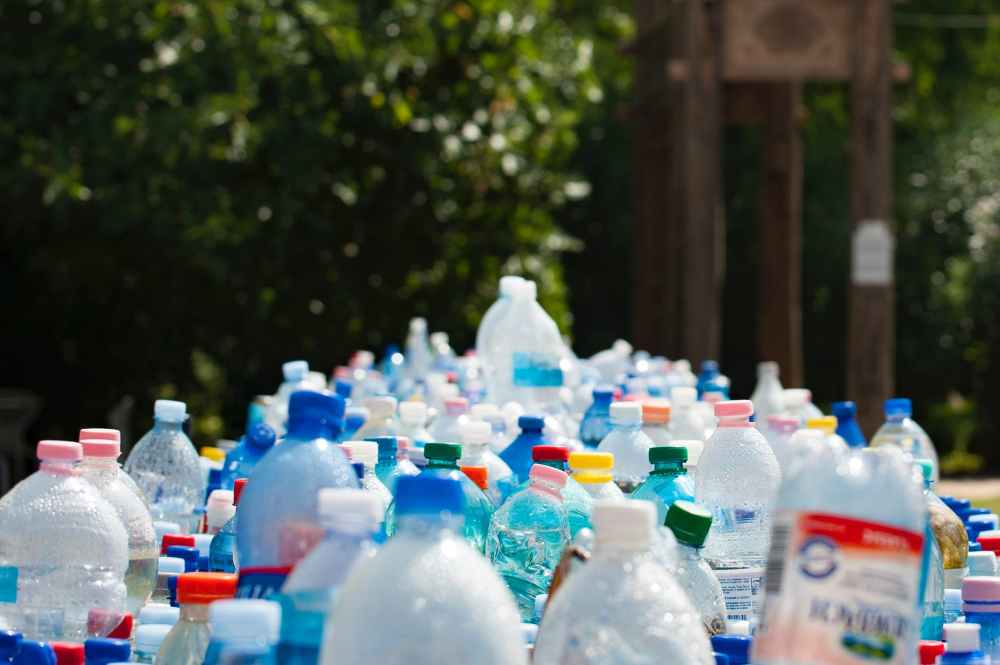
In the middle of the ocean between California and Hawaii exists the “Great Pacific Garbage Patch,” where lost debris whirls and creates a dense heap. The major issue with this gyre, other than the fact there’s a floating ball of garbage in the ocean, is the immense amounts of nondegradable plastic present. Plastic disturbs marine life by mimicking as food yet is dangerously inedible, a widely known example is sea turtles consuming plastic bags under the impression that they are jellyfish.
In efforts to clean up the estimated 87,000 tons of plastic from the patch, a floating boom is set to take off and trap the litter. The boom is designed to expand as a U-shaped net, in the figure of “Pac Man,” and maneuver around the Great Pacific Garbage Patch to capture debris while allowing fish to pass without harm. The main concern is the negative influence the boom may have on the marine ecosystems it brushes upon since there is a possibility it will take away wildlife.
As of right now the unmanned boom is undergoing two weeks of testing before it deploys of the coast of San Francisco California to ensure its effectiveness. In the open ocean the device may face environmental challenges such high wind speeds, strong waves, and corrosive salt water elements. Over 35 million dollars was donated and invested into this new frontier of marine cleaning systems, therefore all hopes are for the boom to withstand natural variables and rid the debris while not majorly disturbing the marine life.
Although the purpose of the boom is to better the environment, investors are interested in the economic benefits it will introduce. The boom is thought to collect approximately half of the garbage patch in five years. There exist diverse ways to go about the plastic dilemma, skeptics question whether or not the boom is the most profitable alternative to solve it. Donors agree that this cleaning system is not the full solution to the ongoing litter problem, but they believe it is a start since preventative measure are far beyond passed.
The plastic along with other discarded waste is problematic for the marine ecosystems, in which is indirectly an issue for us the people. The litter may secrete toxins into the water and worse into the fish when consumed. A lot of the wild fish caught for fishing corporations to sell may very well be exposed to the trash in which is fed to humans later. Fish that are not caught, but die due to plastic consumption release carbon into the water and air, adding to the heat-trapping emissions.
The boom many not have taken course yet, but excitement grows as it sets a precedence for future environmental cleanup work. The Dutch inventor of the boom and entrepreneur of Ocean Cleanup, Boyan Slat, states “While it’s necessary to prevent more plastic from entering the ocean, what is there already isn’t going to go away by itself.” The deployment of this device demonstrates people’s desire to innovate and do what is right for the environment considering other overwhelming topics like climate change.
Caron, Christina. (2018, September 9). Giant Trap is Deployed to Catch Plastic Littering the Pacific Ocean . Retrieved from https://www.nytimes.com/2018/09/09/science/ocean-cleanup-great-pacific-garbage-patch.html?rref=collection%2Fsectioncollection%2Fscience&action=click&contentCollection=science®ion=rank&module=package&version=highlights&contentPlacement=2&pgtype=sectionfront

 The Underwater City Herald